Bathroom Water Damage in Stony Creek: Toilet & Shower Leaks
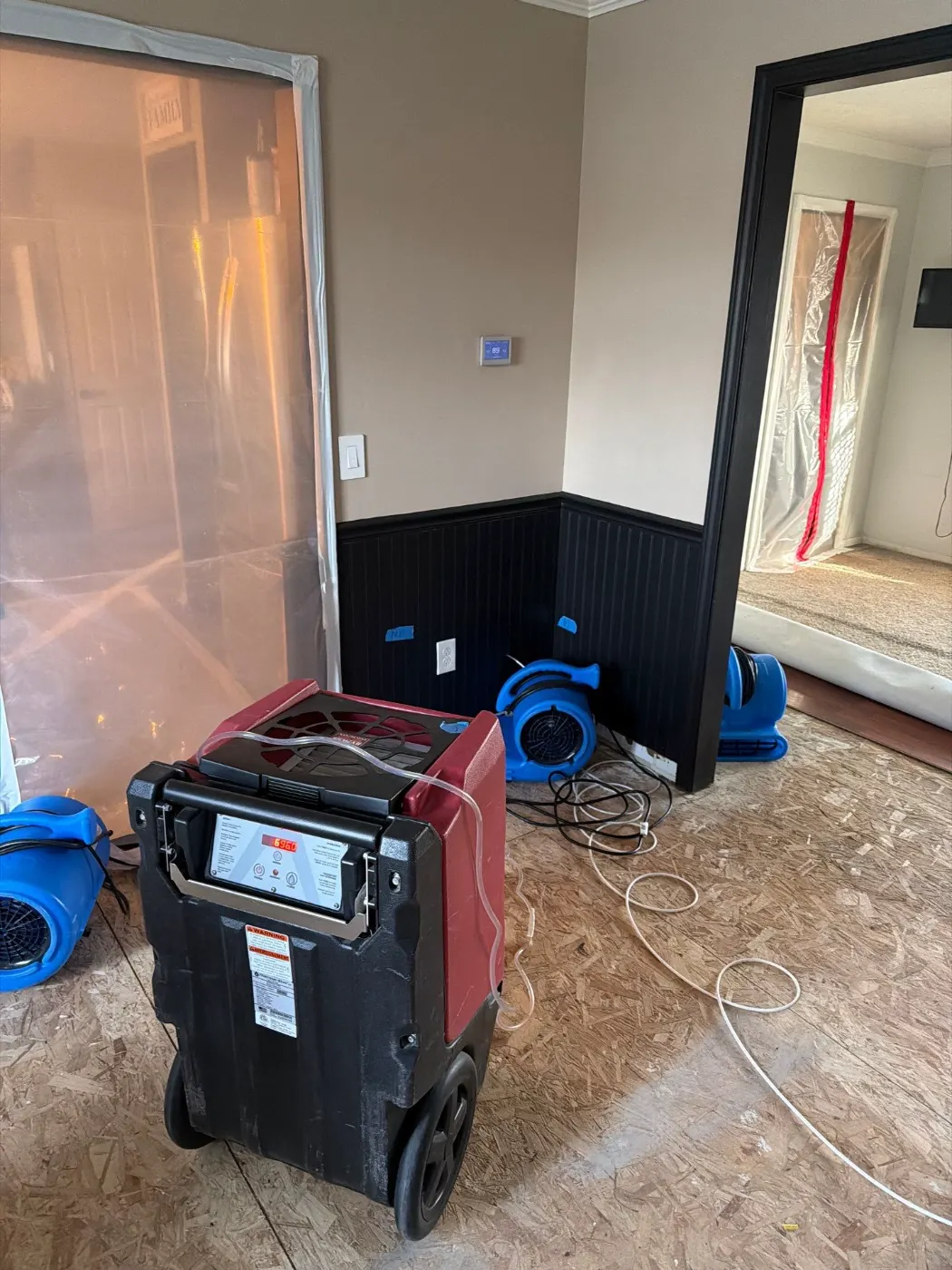
A bathroom leak rarely announces itself. You notice a soft spot near the toilet base, a dark ring on the ceiling below, or that the caulk around the shower never quite dries. By the time most Stony Creek homeowners call us, the water has been working behind the scenes for weeks or months, soaking subfloor, wicking into wall cavities, and feeding mold spores that thrive at 70 to 90 degrees. Bathrooms are the most water dense rooms in your home, and they sit on wood framing that absorbs moisture fast.
At Stony Creek Water Restoration, we have responded to bathroom water damage calls across Stony Creek since 2018, from slow toilet flange leaks in older homes to shower pan failures in newer builds. We are IICRC certified, BBB A+ accredited, and we run our trucks 24 7 because a leaking toilet at 2am cannot wait until business hours. This guide walks through the specific problems we see in Stony Creek bathrooms and exactly how each one gets solved. If your situation does not match what we describe, or if the fix is smaller than a full restoration, we will tell you directly. That promise is the reason customers call us back.
Quick Answer: What to Do First
Bathroom water damage in Stony Creek usually starts with a wax ring failure, a cracked supply line, a shower pan leak, or grout breakdown around tile. Stop the source, dry the area within 24 to 48 hours, and document everything for insurance. If water reached the subfloor, ceiling below, or adjacent walls, you need professional extraction and structural drying, not a shop vac.
Immediate Steps in the First Hour
- Turn off the angle stop valve behind the toilet or shower
- Photograph the damage from multiple angles before moving anything
- Remove rugs, towels, and storage from the wet zone
- Open the bathroom door and run a fan if the area is small
- Check the ceiling below for staining or sagging
- Call your insurance carrier and a licensed restoration company
What Not to Do
- Do not lift wet tile or peel back vinyl flooring before documentation photos
- Do not run a household dehumidifier and assume the cavity is drying (surface air does not reach the subfloor)
- Do not bleach visible mold before a professional assessment, since it can mask the real contamination boundary
- Do not throw away damaged materials until your adjuster has reviewed them or approved disposal
The Five Most Common Bathroom Leak Sources
After thousands of bathroom calls across Stony Creek and the surrounding metro, these are the leaks we find most often. Each one fails in a predictable way.
1. Wax Ring Failure Under the Toilet
The wax seal between the toilet base and the closet flange compresses over 15 to 20 years. When it fails, dirty water seeps onto the subfloor every flush. You will notice a soft floor near the toilet, a faint sewage smell, or stained ceiling tiles in the room below. This is Category 2 or 3 water under IICRC standards, which means porous materials usually cannot be saved. A rocking toilet is the single best early warning sign. If the bowl moves when you sit down, the flange seal is already breaking.
2. Cracked Toilet Supply Line
Braided steel supply lines have a service life of about 8 to 10 years. When the inner liner splits, you get a continuous stream at roughly 2 to 5 gallons per minute. A line that bursts while you are at work can flood an entire floor before you get home. We recommend swapping every supply line in the house on the same weekend once any one of them shows rust at the crimp. They cost under ten dollars each and fail without warning.
3. Shower Pan or Liner Leak
Tile showers built before 2010 often used mortar pan liners that crack over time. Water bypasses the liner and rots the subfloor under the shower. You rarely see this leak directly. You see it as a ceiling stain below or warped baseboards on the wall outside the shower.
4. Grout and Caulk Breakdown
Failed grout lets shower water reach the cement board behind the tile. Mold colonization can start in as little as 48 to 72 hours behind the wall. Our hidden leak detection guide walks through how we use thermal imaging and moisture meters to find these without tearing out tile blindly.
5. Drain and P-Trap Leaks
Loose slip nuts under the sink or a corroded shower drain assembly drip slowly into the cavity below. Slow leaks are the worst kind because mold has weeks to establish before anyone notices.
IICRC Water Categories and What They Mean for Your Bathroom
| Category | Source | Typical Bathroom Example | Material Salvage |
|---|---|---|---|
| Category 1 | Clean water | Supply line burst, sink overflow | Most materials savable if dried in 24 to 48 hours |
| Category 2 | Grey water | Shower drain backup, washing machine adjacent | Carpet pad, drywall below waterline usually removed |
| Category 3 | Black water | Toilet overflow with solids, sewage backup | Porous materials must be removed and disposed |
If your bathroom leak involved toilet contents past the trap, treat it as Category 3 until proven otherwise. Category 1 water also degrades over time. Clean water sitting in drywall and insulation for more than 48 hours reclassifies to Category 2, which changes what your insurance will cover and what we can save. Our toilet overflow cleanup breakdown explains the disinfection protocol we follow on these jobs.
When to Call a Professional
- Water has reached the ceiling below the bathroom
- The floor flexes or feels spongy when you step
- You see staining on walls outside the bathroom
- Any sewage involvement, even minor
- Visible mold or a persistent musty smell
- The leak source is hidden behind tile or inside a wall
For documentation help and pricing transparency, our full restoration cost breakdown covers what insurance typically pays and where homeowners get stuck with out of pocket charges.
What Stony Creek Water Restoration Brings to a Bathroom Loss
- IICRC certified technicians on every job
- truck mounted extraction and commercial dehumidification
- Direct insurance billing and adjuster coordination
- Moisture mapping with documented daily readings
- 24 7 emergency response across Stony Creek and central Indiana
Realistic Repair Costs in Stony Creek
| Damage Scope | Typical Cost Range | Timeline |
|---|---|---|
| Wax ring replacement and small subfloor patch | $400 to $900 | 1 day |
| Bathroom floor extraction and drying only | $1,200 to $2,800 | 3 to 5 days |
| Subfloor replacement plus drywall repair | $3,500 to $7,500 | 1 to 2 weeks |
| Full bathroom rebuild after Category 3 loss | $8,000 to $20,000+ | 3 to 6 weeks |
What Drives the Final Number
- Whether the ceiling below also needs demolition and repaint
- Tile age and availability of matching replacements
- Cabinet vanity condition after extended moisture exposure
- Whether the home has one bathroom or multiple (loss of use coverage may apply)
- Local permit requirements for plumbing and electrical work disturbed during repairs
Get a Direct Answer Before the Damage Spreads
Bathroom leaks are deceptive because the visible water is almost never the full picture. If you are seeing stains, soft floors, or smelling something off in your Stony Creek bathroom, the underlying damage is usually two to four times larger than what you can see. Stony Creek Water Restoration is IICRC certified, BBB A+ rated, and available 24 7 across central Indiana. We will walk your bathroom, give you a category determination, and tell you honestly whether you need full restoration or just a plumber and a fan. If we cannot help, we will tell you directly.
Frequently Asked Questions
How long does it take for bathroom water damage to cause mold?
Mold can begin colonizing wet drywall, subfloor, and framing within 48 to 72 hours. In humid Stony Creek summers, we have seen visible growth in under 36 hours, which is why Stony Creek Water Restoration starts drying the same day we arrive.
Do I need to replace my bathroom subfloor after a toilet leak?
If the subfloor is soft, delaminated, or has been wet from Category 3 toilet water, yes. Stony Creek Water Restoration tests moisture content and structural integrity before recommending replacement, and we never tear out material that can be safely dried.
What should I do in the first 10 minutes of a bathroom leak in Stony Creek?
Shut off the fixture valve or main water, move towels and rugs out of the way, photograph the damage for insurance, and call Stony Creek Water Restoration. Do not run the exhaust fan, which can spread contaminated moisture into other rooms.
Will my insurance rate go up if I file a water damage claim?
A single sudden discharge claim usually does not raise rates significantly in Indiana, but multiple claims within a few years can. Stony Creek Water Restoration provides documentation that supports a clean, defensible claim so adjusters approve it without pushback.
Can Stony Creek Water Restoration work directly with my insurance adjuster?
Yes. We coordinate with adjusters across Stony Creek, provide moisture logs, photos, and Xactimate-compatible scopes, and answer their questions directly so you are not stuck translating between two parties during an already stressful week.
Have a restoration question?
Our IICRC certified Stony Creek crew is ready to help. Free assessments, estimate based on what we can sees, no pressure.