IICRC Water Restoration Standards in Stony Creek: What Certification Really Means
When your kitchen ceiling is dripping at 10pm or your basement carpet is squishing under your feet, the last thing on your mind is industry certification. You just want the water gone. But the company you call next will either follow a documented set of standards that protect your property, or they will guess their way through the job and leave you with hidden moisture, warped subfloor, and mold problems three weeks later. That difference comes down to one acronym: IICRC.
The Institute of Inspection, Cleaning and Restoration Certification sets the playbook the entire water restoration industry runs on. At Stony Creek Water Restoration, we have been IICRC Certified since we opened our doors in 2018, and we hold a BBB A+ rating because we actually follow the standard instead of cutting corners. If you are searching for help in Stony Creek right now, you deserve to know what that certification means in real terms, what questions to ask, and how to spot a contractor who is faking it. This guide answers the questions Stony Creek homeowners ask us most, in plain language, with no fluff. If we cannot help you, we will tell you directly.
What the IICRC Actually Is and Why It Matters in Stony Creek
The Institute of Inspection, Cleaning and Restoration Certification, or IICRC, is the independent body that writes the technical standards the restoration industry follows. It is not a government agency, and it does not license contractors the way the state licenses electricians, but it is the closest thing this trade has to a universal rulebook. Insurance carriers reference IICRC standards when they evaluate claims. Property managers reference them when they choose vendors. Courts reference them when restoration work ends up in dispute. When a Stony Creek homeowner asks how a job should be done correctly, the honest answer almost always traces back to an IICRC document, most often the S500 Standard for Professional Water Damage Restoration, which is now in its fifth edition and runs several hundred pages of specific guidance on extraction, drying, monitoring, and documentation.
The S500 is paired with the S520 for mold remediation and the S540 for trauma and sewage situations. Together these documents tell a certified technician exactly how to categorize the water you are dealing with, how to classify the level of saturation in your structure, what equipment is appropriate, and when a job is genuinely finished. Without that framework, restoration becomes guesswork, and guesswork is how homeowners end up with secondary damage, mold blooms, and denied insurance claims six months down the road. The standards are revised on a regular cycle by working committees made up of restorers, scientists, indoor environmental professionals, and insurance representatives, which is why the language tends to evolve alongside building materials and equipment technology rather than staying frozen in a previous decade.
What Certification Requires of a Technician and a Company
There is a meaningful difference between a technician holding an IICRC certification and a company being IICRC Certified, and you should understand both before you hand over your keys. An individual technician earns the Water Damage Restoration Technician credential, often called WRT, by completing a multi day course and passing a proctored exam. From there they can stack additional credentials like Applied Structural Drying, Applied Microbial Remediation, and Carpet Cleaning Technician. Each one represents real classroom hours and a real test, not a sticker someone bought online. The senior technicians we send into Stony Creek homes typically hold three or four of these certifications, because water damage rarely stays in one category for long. A burst supply line can turn into a category two or three water situation within forty eight hours, and the person on site needs to know how to pivot.
A Certified Firm designation, which is what Stony Creek Water Restoration carries, requires that the business itself maintain ongoing training, carry liability insurance, follow a written code of ethics, and resolve customer complaints through the IICRC if they cannot be resolved directly. That last piece is the part most homeowners overlook. If you hire a Certified Firm and the work goes sideways, you have an actual escalation path beyond small claims court. Ask any restoration company to email you their certificate number. A legitimate one will send it inside an hour. A pretender will stall, change the subject, or send you a screenshot of a logo with no number attached. Continuing education is another layer most people do not see. Certifications are not lifetime credentials. Technicians have to renew them on a regular cycle by completing approved coursework, which means the field practices keep pace as new drying technology, antimicrobials, and moisture mapping tools come into use. A firm that took shortcuts a decade ago and never sent anyone back to class is functionally not the same operation as one that invests in annual training, even if both companies happen to display the same logo on their trucks.
How to Verify Certification Before You Sign Anything
You can verify any company or technician directly on the IICRC website by searching their certificate database. It takes about thirty seconds, and it is free. If the company name does not appear, that is your answer. We also recommend asking for the lead technician's name before the crew arrives, then checking that individual in the same database. On a typical Stony Creek water damage restoration job, your invoice should reference specific IICRC procedures, list equipment used, and include daily moisture logs. If your paperwork is a one line description and a total, you are not getting standards based work, you are getting a guess with a bill attached. Insurance adjusters notice the difference, and so will any future buyer's inspector. Treat certification the same way you would treat a contractor's license or a plumber's stamp on a permit. It is not a marketing flourish, it is the paper trail that proves the work in your walls was done to a documented standard, and it is the single best protection a homeowner has when something goes wrong long after the trucks have left the driveway.
How IICRC Standards Shape the Work in Your Home
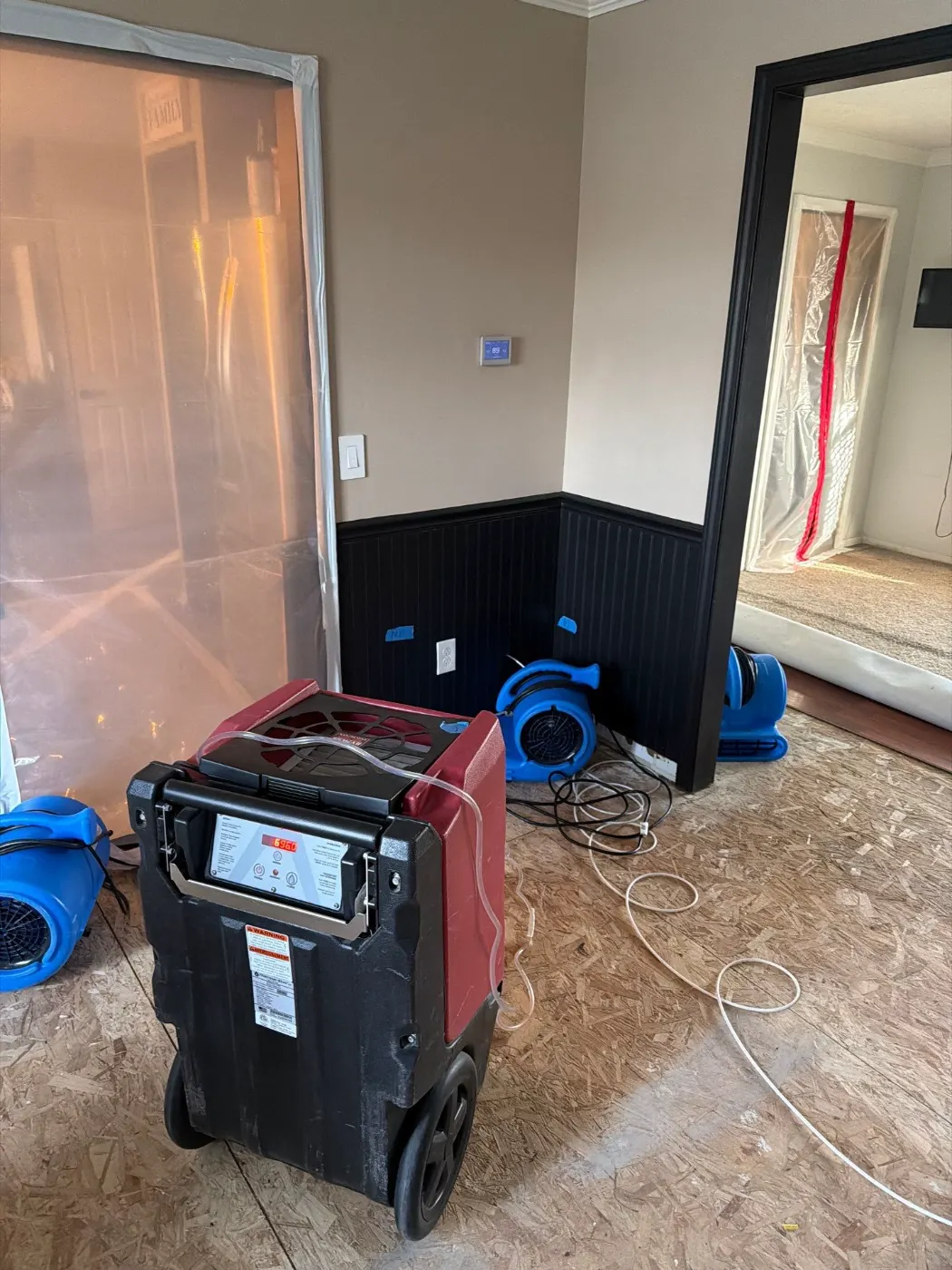
When a certified crew arrives at a flooded property in Stony Creek, the S500 dictates the sequence of events whether the homeowner realizes it or not. The first step is assessment, which means identifying the water source, categorizing it as clean, gray, or black, and classifying the affected materials by how much moisture they have absorbed. A class one job, where only a small area is wet and materials are low porosity, dries very differently than a class four job involving plaster, hardwood, and concrete. The standard tells the technician how many air movers per square foot, what grain depression their dehumidifiers should produce, and how often moisture readings should be logged. Most reputable companies document those readings daily, and you should receive copies for your insurance file.
The standard also defines when drying is complete, which is a more technical question than it sounds. A floor that feels dry to the touch can still hold dangerous moisture below the surface, which is why professional drying timelines rely on moisture meters and thermo hygrometers rather than guesswork. The S500 sets a drying goal based on equilibrium moisture content compared to unaffected reference areas in the same building. When those numbers match, the job is genuinely done. When a company pulls equipment early to chase the next call, the Stony Creek homeowner is the one who pays for that shortcut, usually in the form of mold remediation eight to twelve weeks later. The standard also addresses containment, worker protection, and disposal of contaminated materials, which becomes especially relevant when sewage backups or long standing leaks have escalated the category of water involved. A crew working from the S500 will set up engineering controls like negative air pressure and physical barriers before they ever cut a baseboard, because cross contaminating a clean part of the house is one of the most expensive mistakes a restorer can make, and it is the kind of mistake that leads to lawsuits rather than referrals.
The bottom line on IICRC standards in Stony Creek
Certification is not a marketing badge. It is a signal that the crew working in your home has been tested on the same standard your insurance carrier expects them to follow. Stony Creek Water Restoration has held IICRC certification since 2018 and we apply the S500 on every job, from a small upstairs toilet overflow to a fully flooded basement. If you have water damage in Stony Creek right now and want a straight answer about what your property needs, call us. We will inspect the loss, explain the category and class, and tell you honestly whether the job calls for full mitigation or a smaller fix.
Frequently Asked Questions
Is IICRC certification actually required to do water damage work in Stony Creek?
No state law requires it, but most insurance carriers expect IICRC trained documentation, and Stony Creek Water Restoration maintains certification because it directly affects how fast and how completely your claim gets paid.
How can I verify a restoration company is really IICRC certified?
Ask for the technician certification number and the firm certification number. Stony Creek Water Restoration provides both on request, and you can verify them directly through the IICRC public database.
Does certification change the price of water damage restoration?
Pricing in Stony Creek is usually driven by category of water, square footage, and equipment days rather than certification status, though certified documentation typically results in higher insurance approval rates.
What is the difference between S500 and S520 standards?
S500 covers water damage restoration including drying, extraction, and category determination. S520 covers mold remediation. Stony Creek Water Restoration technicians train on both because water jobs often turn into mold jobs if drying is delayed.
How fast can Stony Creek Water Restoration get to my Stony Creek property after a water emergency?
In most of the Stony Creek service area we target arrival within 60 to 90 minutes of your call, 24 hours a day, with a certified lead tech on every job rather than just a sales rep.
Have a restoration question?
Our IICRC certified Stony Creek crew is ready to help. Free assessments, estimate based on what we can sees, no pressure.